
How to Heat Your Home Efficiently in Winter Without Blowing the Power Bill
Winter heating can drive up electricity bills fast. Learn how thermostat settings, zoning, draught sealing and circuit-level data help Australian homes stay warm for less.

Winter heating can turn a manageable electricity bill into a shock. The problem is rarely just one appliance. It is usually the combination of thermostat settings, heating too much space, draughts, poor timing and circuits that run for longer than anyone notices.
For Sydney and Australian households, the cheapest winter heating strategy is not always buying a new heater first. Start by making the heat you already pay for work harder.
The practical target is simple: keep the occupied rooms comfortable, reduce heat loss, avoid high-wattage habits, and use measured data before spending money on upgrades.
Set the Temperature Before You Change the Heater
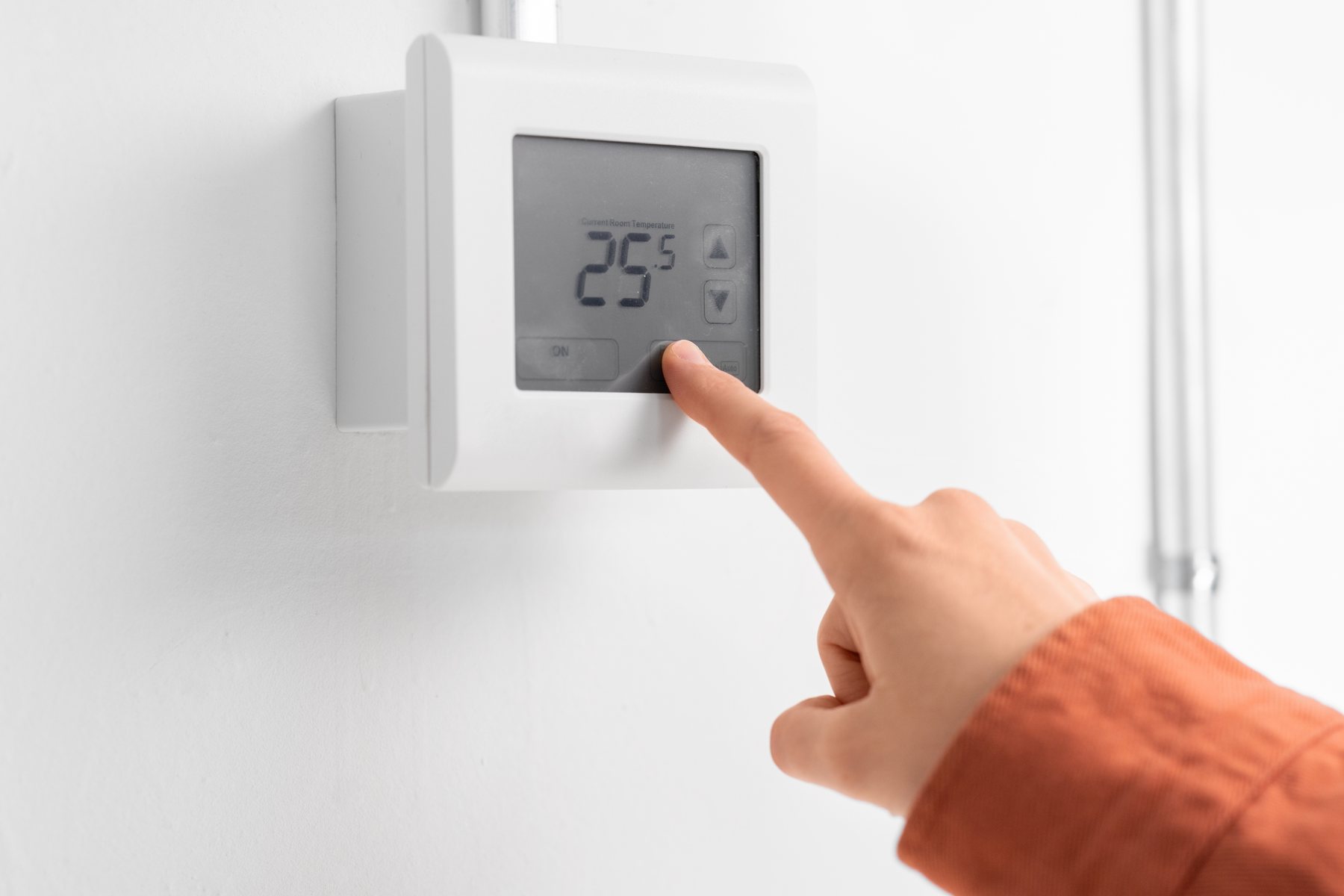
The fastest saving is often the thermostat. Energy.gov.au recommends setting winter heating between 18C and 20C, and notes that every extra degree can add 5% to 10% to energy costs. YourHome gives the same 18C to 20C range for winter heating.
That does not mean every room has to feel cold. It means the heater should not be asked to drag the whole house to 23C just because one living area is chilly. Try 19C first, then use clothing, rugs and zoning before increasing the set point.
For reverse-cycle air conditioners, avoid the common habit of setting 28C to warm the room faster. The system does not become more efficient because the target is higher. It simply runs harder and longer until the room catches up.
Heat the Rooms You Use, Not the Whole House
Heating cost rises with the size of the space. Close internal doors and heat the living room, study or bedrooms you are actually using. Energy.gov.au includes this as one of the no-cost ways to reduce bills, and YourHome recommends closing doors and windows where heating is operating, unless ventilation is required for specific appliances.
This is especially useful in older homes with open hallways, unused bedrooms or large extensions. A small portable heater in one open-plan area can end up trying to warm half the house. A reverse-cycle system can also waste power if the zoning, fan speed or door strategy is wrong.
Stop Paying to Heat Leaks
Draughts and windows can undo a good heating setup. NSW seasonal guidance says up to 40% of heating can be lost through windows, and recommends closing curtains, blinds, doors and windows at night to hold heat in. It also recommends opening blinds and curtains during sunny days so winter sun can warm rooms naturally.
Cheap fixes are often enough to start: door snakes, rolled towels, weather seals, heavier curtains, closing gaps around unused rooms, and using sunlight during the day. These measures lower the amount of time your heater needs to run.
The PowerAudit knowledge base says insulation helps by slowing the rate at which heat leaves your home in winter, so heating systems do not need to work as hard. Energy.gov.au also says effective insulation can reduce household heating and cooling costs by 45%.
Use Reverse-Cycle Heating Properly
In many homes, a reverse-cycle air conditioner is more efficient than plug-in resistance heaters. But it still needs sensible operation. Clean filters, keep airflow clear, close off unused rooms, and set a stable temperature instead of repeatedly turning the unit on full blast.
Portable fan heaters, panel heaters, towel rails and heated floors can be convenient, but they are often high-wattage loads. They become expensive when they run unnoticed for hours, especially in bedrooms, bathrooms and home offices.
Use Timers, Solar and Cheap Windows Carefully
Timers can save money when they stop heating running after bedtime or while everyone is out. They can also waste money if they preheat too early, run through an empty afternoon, or overlap with other large loads such as hot water, cooking and EV charging.
For solar homes, winter is trickier because solar output is lower and heating demand often rises in the morning and evening. If you can preheat a room during sunny hours, that may help. But the useful question is whether the heater is actually using surplus solar or simply adding grid imports.
Measure the Circuit Before You Buy the Upgrade
The PowerAudit knowledge base identifies air conditioning and heaters as common high-use appliances. It also makes the key point that a bill only shows total usage. It does not show which room, appliance or circuit caused the cost.
A PowerAudit uses a licensed electrician to install monitoring equipment at the switchboard, with precision sensors on circuit breakers and smart plugs for major appliances. Monitoring runs for about 7 days, then the data is analysed into a report with numbers, graphs and tailored recommendations.
For winter heating, that can show which heating circuits run longest, when demand peaks, whether solar is helping, and whether another load is being mistaken for heating. That evidence matters before you buy a bigger heater, add another split system or assume the whole home is inefficient.
Find the winter load before you spend on upgrades.
A 7-day PowerAudit shows which circuits are driving your winter bill and which fixes are likely to pay back first.
Winter Heating Checklist
- Set heating to 18C to 20C first.
- Heat occupied rooms only.
- Close curtains and blinds at night.
- Use sunny windows during the day.
- Seal draughts before increasing the thermostat.
- Clean reverse-cycle filters.
- Avoid leaving portable heaters, towel rails and heated floors running unattended.
- Check whether timers match when people are actually home.
- Measure circuits before buying bigger equipment.
Main Points to Remember
Efficient winter heating is mostly about control. Lower the set point, heat fewer rooms, stop heat escaping, and avoid high-wattage appliances running in the background.
The cheapest fix is often a setting, schedule or draught seal. The best upgrade is the one backed by measured data from your own home.
Sources
When the bill still does not make sense, start with measured data
A cheaper plan can reduce your rate, but it will not explain what is creating the usage. PowerAudit gives you circuit-level visibility, a clear report, and prioritised next steps for your actual home.