
Discover Hidden Lighting Savings in Your Australian Home
Think LED upgrades solved your lighting? Think again. Unearth hidden halogens, all-night lights and circuit inefficiencies with a simple switchboard check to slash your energy bills.
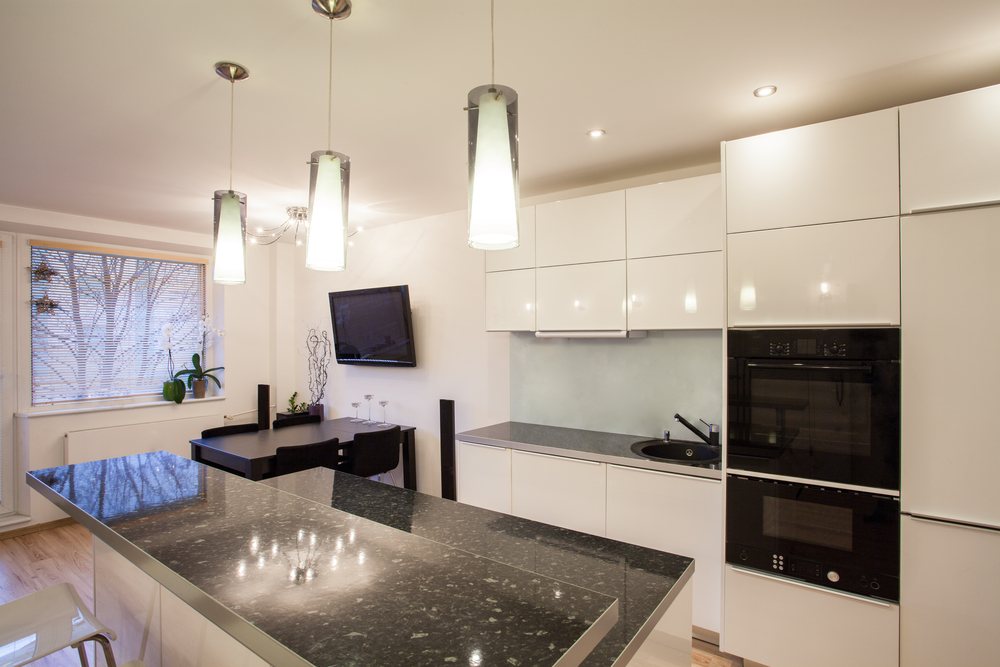
Many Australian households assume lighting is a solved problem. If you’ve swapped a few bulbs to LED, what’s left to gain? Quite a bit, in the right places. While lighting is now a modest slice of consumption in many modern homes—around 4% in NSW on average—the spread is wide, and homes with older halogens, long run-times or poor controls can continue to pay far more than necessary. LEDs typically use about 75% less energy than older technologies and last 5–10 times longer, so the remaining halogen and compact fluorescent (CFL) holdouts remain rich targets. The trick is to identify them with data, not guesses. Throughout, we take an evidence-first approach, using switchboard and meter data alongside reputable guidance to focus changes where they matter most. Put simply, we prioritise what the meter shows and what trusted sources endorse over rules of thumb.
LED technology has also moved on since the first wave of simple replacement lamps. Today’s products are available in a wider range of lumen outputs, beam angles and colour temperatures, making it easier to match the fitting to the task instead of over-lighting a room. Combined with better planning for dimmer compatibility and controls, newer LED options make changes less about a basic watt-for-watt swap and more about getting the right light, in the right place, for the lowest practical energy use.
Start at the Switchboard: Measure Your Lighting Load
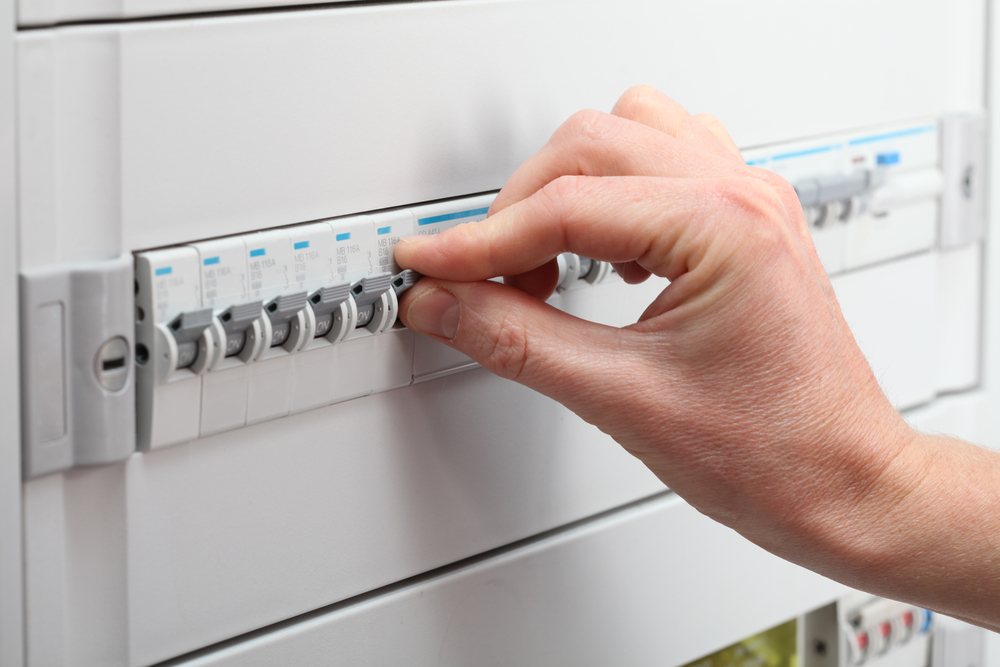
Before buying any globes, quantify your lighting load. Most homes have one or two dedicated lighting circuits labelled “Lights” or “Ltg” at the switchboard. A quick evidence-driven method:
- Baseline: With the house in a normal daytime state, note your smart meter’s instantaneous demand in your retailer app or inverter portal, if available.
- Toggle test: Switch off one lighting circuit breaker at a time. Watch for the step change in watts. Repeat for the second lighting circuit if present. That delta is your lighting demand at that moment.
- Night/day pattern: Check your smart meter’s interval data (daily profile). Are there flat plateaus in the evening from lights left on? Do outdoor lights run past sunrise? This reveals run-time, not just wattage.
- Room checks: Walk the house at night and list fittings by type and wattage. Halogen downlights (often 35–50W each) and decorative multi-lamp fittings quickly add up.
These steps give you circuit-level visibility and a short, prioritised list. We routinely find that one or two spaces—kitchens, corridors, and outdoor/security lights—drive the majority of lighting energy, even in “mostly LED” homes.
Still guessing what is using the power?
General tips can help, but they cannot tell you what is really driving usage in your home. PowerAudit measures your circuits at the switchboard over 7 days so you can act on measured data, not assumptions.
Identify Where Lighting Changes Deliver Maximum Savings
- Halogen downlights: The classic 50W MR16 or GU10 remains common. Replacing these with quality 7–9W LEDs maintains light levels while cutting ~75–85% of the energy per fitting, consistent with federal guidance on LED efficiency.
- High run-time rooms: Kitchen, living, hallways and stairs often see 3–6 hours per night. NSW guidance suggests starting LED replacements in high-use rooms to maximise savings.
- Outdoor and security lighting: Dusk-to-dawn fittings, floodlights locked “on,” or mis-aimed motion sensors can quietly run for thousands of hours per year. Pairing LEDs with daylight/motion sensors or timers is recommended in both federal and design guidance.
- Decorative multi-globe fittings: Three or five lamps in a single pendant can exceed the room’s actual task need. Right-sizing lumens (not watts) and reducing lamp count where acceptable trims baseline demand.
A simple savings calculation

Suppose you have 20 halogen downlights at 50W each in living areas. Swapping to 8W LEDs saves 42W per fitting. If those lights run 4 hours per day on average, that’s 20 × 42W × 4h ≈ 3.36 kWh/day, or about 1,226 kWh/year. At 30 c/kWh, that’s ~$368/year saved. Even allowing for some fittings used less often, the payback on a quality lamp-only swap is commonly under a year. If drivers or dimmers need updating, the payback may extend—but the long LED lifespan can improve total cost of ownership. The point is not the exact number; it’s that you can confirm the savings path at your switchboard and meter before spending.
Use controls to match light to need
Once the obvious halogens are gone, usage control becomes the lever. Government guidance recommends timers, motion sensors and smart lighting to ensure lights are on only when needed. Daylight sensors prevent outdoor lights from running after sunrise, and motion sensors work well for hallways, laundries and external paths. NSW also highlights simple habits—turn lights off when leaving a room and make the most of daylight—which stack neatly on top of any hardware changes.
Two design principles make controls effective:
- Separate by function: Group circuits so you can light the task, not the entire room. Kitchen bench task lights independent of ceiling ambient lighting is a classic example.
- Multiple/2-way switching: Provide convenient off points at each entry/exit so lights don’t stay on for “later”.
Smart bulbs and switches add scheduling and remote control, but remember they can draw small standby power. Federal guidance notes this, so choose products with low standby use and align features with actual needs. In many cases, a simple timer or a reliable motion/daylight sensor achieves the same outcome with less complexity.
Common pitfalls to avoid
- Dimmer compatibility: Not all LEDs dim well on legacy dimmers. Check LED and dimmer compatibility to avoid flicker or minimum-load issues.
- Over-lighting: Swapping one-for-one without checking lumens can leave rooms brighter than needed, wasting energy. Select the right lumen output and beam angle for the task.
- Ignoring outdoor circuits: Outdoor and façade lighting can run the longest hours but are often overlooked. Prioritise these circuits for LEDs and controls.
- Choosing the wrong rooms first: Start where the hours are. NSW recommends beginning with high-use areas to maximise savings. A quick audit helps you avoid spending where the payback is weakest.
Sources
When the bill still does not make sense, start with measured data
A cheaper plan can reduce your rate, but it will not explain what is creating the usage. PowerAudit gives you circuit-level visibility, a clear report, and prioritised next steps for your actual home.