
Reduce Your Sydney Power Bill: Understanding the 2025-26 Price Increase
Sydney power bills rose in 2025-26 due to DMO price increases, rebate changes and household usage patterns. Learn what changed and how measured data helps reduce your bill.

Sydney households had a lot happening on their electricity bills in 2025-26. Prices moved, rebates changed, battery incentives became more complicated, and many homes added new loads such as EV chargers, pool equipment, heat pumps, air conditioning and batteries.
That is why a higher bill does not always mean one simple thing went wrong.
Part of the increase may be the price you pay per kilowatt-hour. Part of it may be the end or timing of government bill relief. Part of it may be usage that has crept up quietly in the background. And part of it may be a solar, battery or tariff setup that is not working the way you expected.
For Sydney homeowners trying to reduce power bill Sydney searches usually lead to generic tips: switch off lights, compare plans, run appliances later. Those can help, but they do not explain what is actually driving your bill.
The better starting point is measured data.
The 2025-26 Price Rise Was Real
From 1 July 2025, the Australian Energy Regulator's 2025-26 Default Market Offer increased residential standing offer prices in NSW by 8.3% to 9.7%, depending on network area and whether the customer had controlled load. The DMO is the safety-net price for standing offer customers and also acts as the reference price used when retailers advertise market offers.
For many Sydney homes, that matters even if you are not on the default offer. Retailers use the DMO as a reference point, so when wholesale, network and retail costs move, market offers can move too.
In the AER table, Ausgrid residential prices rose by 8.6% without controlled load and 8.3% with controlled load. Endeavour Energy residential prices rose by 8.5% without controlled load and 9.7% with controlled load. Those two networks cover large parts of Greater Sydney, so the impact was not theoretical.
A price rise is not something you can fix at the switchboard. But you can stop a price rise from being multiplied by avoidable usage.
That is where the bill needs to be split into two questions:
- Am I paying too much for each unit of power?
- Am I using power at the wrong time, on the wrong circuit, or for the wrong reason?
A cheaper plan can help with the first question. A PowerAudit helps with the second.
The Bill Relief Credit Helped, Then Faded
The National Energy Bill Relief payment also affected how 2025-26 bills looked.
NSW households were eligible for up to $150 in bill relief during the 2025-26 financial year, usually applied automatically in two $75 instalments from 31 July 2025 and 1 October 2025.
The broader Energy Bill Relief Fund extension ran from 1 July 2025 to 31 December 2025, and the federal energy.gov.au page now states that the fund ended on 31 December 2025.
That means some households saw a temporary credit on earlier bills, then felt the full cost again later. The home may not have suddenly become less efficient. The visible support on the bill may simply have stopped.
That distinction matters. A bill credit lowers the amount due. It does not lower the actual energy being used.
If your usage stayed high after the credit ended, the next step is not to chase another generic rebate. It is to identify which loads are still pushing the bill up.
Batteries Became More Attractive, But Also Easier to Oversize
Battery rebates became a major talking point in 2025-26, especially for solar homes trying to protect themselves from evening peak rates.
The federal Cheaper Home Batteries Program still supports eligible batteries, but the rebate changed from 1 May 2026. The STC factor dropped from 8.4 for January to April 2026 to 6.8 for May to December 2026, and the discount is now tiered by usable battery capacity.
The current tiering is:
- 0 to 14 kWh of usable capacity: full STC factor
- Above 14 kWh to 28 kWh: 60% of the STC factor
- Above 28 kWh to 50 kWh: 15% of the STC factor
The Clean Energy Regulator also notes that STCs are calculated on usable capacity, and only the first 50 kWh of usable capacity can claim STCs.
This makes battery sizing more important than ever.
A battery can reduce a Sydney power bill when it stores low-value surplus solar or cheap electricity and discharges during expensive evening imports. But a battery does not automatically fix a high bill.
If the home has limited solar surplus, heavy daytime loads, poor tariff alignment, or a battery that rarely cycles, the rebate may reduce the purchase price without delivering the expected bill reduction.
Before buying storage, the useful question is not "what size battery is on special?"
It is: how many kilowatt-hours does this home actually import during the expensive window, and how often?
The NSW VPP Incentive Rewards Flexibility
NSW also changed the battery equation by increasing its Virtual Power Plant incentive.
From 1 July 2025, the NSW Government increased the incentive for households and small businesses to connect a solar battery to a VPP to up to $1,500, depending on battery size. The NSW Government describes the incentive as stacking with the Commonwealth battery program.
The current NSW VPP incentive page says households can receive an upfront payment for connecting a battery to a VPP, plus potential ongoing payments from selling excess stored energy to the grid. It also notes that the incentive depends on usable battery capacity, VPP provider and contract conditions, and that batteries up to 28 kWh are eligible.
That is useful, but it is not a reason to sign the first VPP contract you see.
A VPP can improve battery payback if the contract suits your home. But providers vary. Some may access your battery at different times, pay different export rates, reserve different amounts of capacity, or require a retailer change.
That is why battery and VPP decisions should be made from your actual load profile, not from a quote sheet alone.
Why Your Bill May Still Be High After Solar
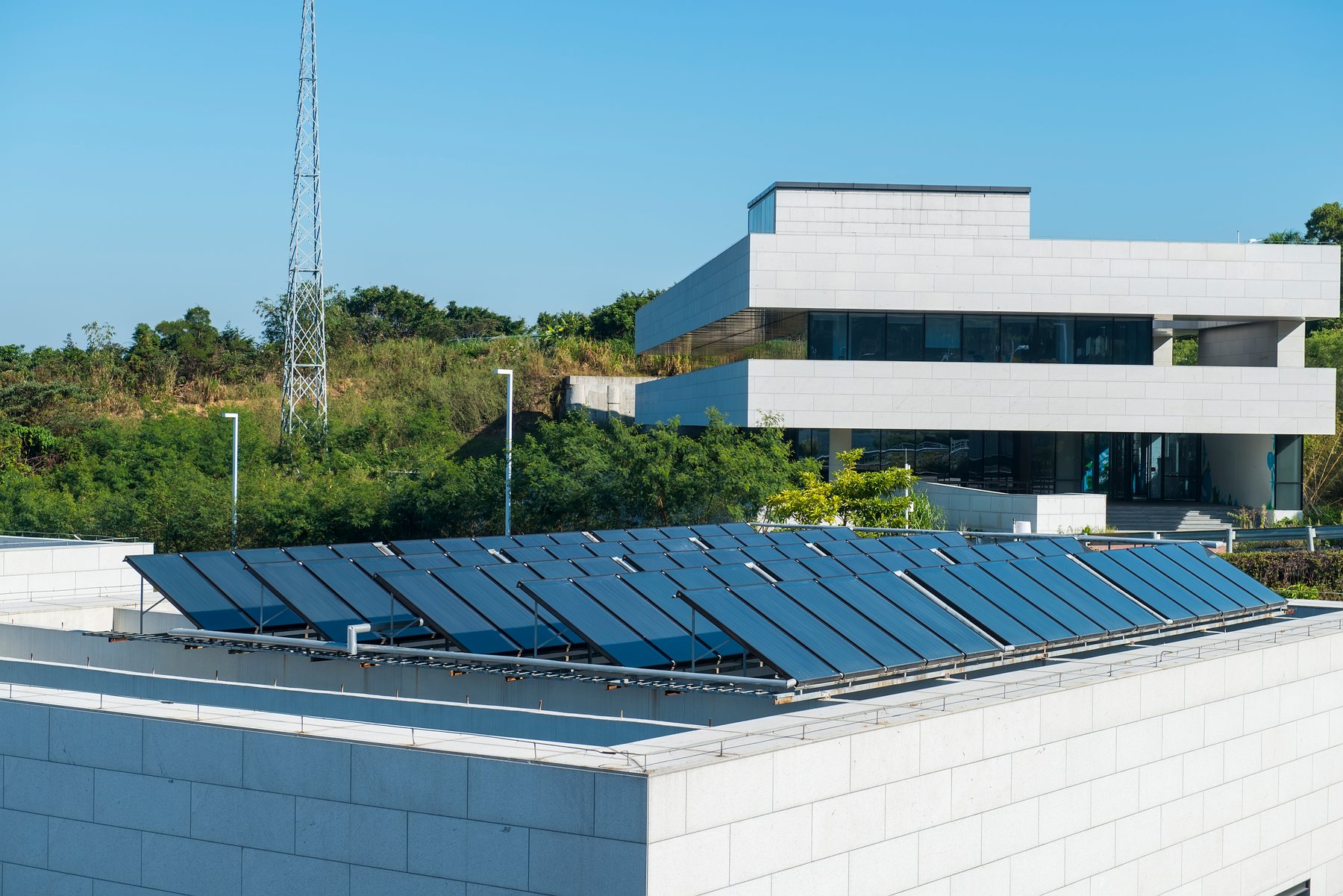
Solar helps, but it does not guarantee a low bill.
Many Sydney solar homes still import heavily in the evening. Some export during the middle of the day, then buy electricity back later at a higher rate. Others have pool pumps, EV chargers, hot water systems or air conditioning running outside the solar window.
On the bill, that can look confusing. The home "has solar", but the savings feel smaller than expected.
At the switchboard, the pattern is usually clearer.
Solar rises during the day. The pool pump may stay off until late afternoon. The EV may start charging after dinner. Hot water may heat during a higher-rate period. Air conditioning may overlap with cooking and evening appliance use. The battery may discharge too early, or not have enough charge left for the real peak period.
None of those issues are solved by guessing.
They are solved by seeing the circuits.
Still Guessing What Is Using the Power?
General tips can help, but they cannot tell you what is really driving usage in your home.
PowerAudit measures your circuits at the switchboard over 7 days, then turns that data into a clear report showing which appliances, circuits and timing patterns are pushing up the bill. The service is designed to reveal energy drains, meter issues, solar inefficiencies and appliance-level usage patterns that a bill alone cannot explain.
Get a clear answer before you spend more money.
A 7-day PowerAudit shows which circuits and timing patterns are actually driving your bill.
The Most Common Sydney Bill Drivers
Every home is different, but the same problem categories appear again and again.
1. Hot water running at the wrong time
Electric hot water can be one of the largest loads in the home. If it runs during peak periods, or if the controlled-load setup is not doing what you think, it can quietly inflate the bill.
A timer, tariff review or control change may save more than a new appliance.
2. Pool pumps left on old schedules
Pool pumps often cost more because of runtime and timing, not because the pump is broken.
If the pump runs after sunset while solar is exporting during the day, the home can end up selling cheap energy and buying back expensive energy later. That is exactly the kind of pattern a circuit-level audit can confirm.
3. EV charging outside cheap windows
An EV can be a brilliant way to reduce petrol costs, but it is still a large electrical load.
Charging at the wrong time can move a lot of consumption into expensive billing periods. For solar homes, the key question is whether the car is genuinely charging from solar, or whether grid imports are filling the gap.
4. Lighting that was only partly upgraded
Many homes are "mostly LED" but still have old halogens, outdoor lights, garage lights or security fittings running for long hours.
Lighting may not be the biggest load in every home, but hidden high-runtime circuits can still be worth fixing.
5. Batteries that are not cycling properly
A battery should charge and discharge in a way that matches your tariff, solar production and household load.
If it charges from the grid at the wrong time, discharges before peak use, sits full while solar exports, or runs empty before dinner, the return on investment can suffer.
6. Air conditioning overlap
Air conditioning can dominate summer and winter bills, especially when it overlaps with other large loads.
The cost is not just the appliance. It is the timing, thermostat behaviour, zoning, standby use and whether the system is working harder than it should.
How to Reduce Your Power Bill in Sydney After the 2025-26 Price Rise
Start with the bill, but do not stop there.
First, check whether you are on a standing offer or an old market offer. The AER has said cheaper offers below the DMO are often available, so plan comparison is still worth doing.
Second, check whether the bill changed because a credit disappeared. If the National Energy Bill Relief payment reduced earlier bills, later bills may look worse even if usage is similar.
Third, compare usage, not just dollars. Look at kilowatt-hours, daily usage, solar export, controlled load and time-of-use periods.
Fourth, measure the major circuits. A high bill is easier to fix when you can separate pool pump, hot water, EV charging, lighting, air conditioning, solar and battery behaviour.
Finally, prioritise the cheapest fix first. Sometimes the right answer is a plan change. Sometimes it is a timer. Sometimes it is moving the pool pump into solar hours. Sometimes it is correcting a hot water schedule. Sometimes it is right-sizing a battery before you commit to a quote.
The point is not to spend more money first.
The point is to stop guessing.
Battery, EV, Pool and Lighting Decisions All Come Back to the Same Question
The 2025-26 energy year made one thing clear: Sydney homes are becoming more complex.
A single bill now has to reflect:
- grid import rates
- solar exports
- time-of-use tariffs
- controlled load
- battery charging and discharging
- VPP participation
- EV charging
- pool equipment
- hot water timing
- government credits
- retailer discounts
That is too much to diagnose from a total bill.
A battery post can explain rebate timing. An EV post can explain charging strategy. A pool pump post can explain schedule drift. A lighting post can explain hidden load. But the parent question is broader:
Why did the bill go up, and which part can you actually control?
That is the job of an audit.
Main Points to Remember
Sydney power bills rose in 2025-26 partly because regulated standing offer prices increased in NSW. The National Energy Bill Relief credit helped many households for part of the financial year, but it was temporary. Battery rebates and NSW VPP incentives can improve the economics of storage, but only when the system is sized and operated around the home's real usage.
The practical path is simple.
Check your tariff. Confirm your rebates. Measure your circuits. Shift flexible loads. Right-size upgrades. Then spend money where the data says it will return value.
A higher bill does not always mean your home is inefficient. It may mean your home is using power at the wrong time, on the wrong plan, or through one circuit that has never been properly measured.
And if the bill still does not make sense, start with measured data.
Sources
- [1] Final determination on 2025-26 safety net prices for NSW, SA and SE QLD | Australian Energy Regulator
- [2] Default market offer prices 2025-26 | Australian Energy Regulator
- [3] Apply for the household National Energy Bill Relief payment | Service NSW
- [4] Energy Bill Relief Fund | energy.gov.au
- [5] Cheaper Home Batteries Program | DCCEEW
- [6] Solar batteries | Clean Energy Regulator
- [7] NSW and Commonwealth double incentives for batteries | NSW Climate and Energy Action
- [8] Virtual power plant (VPP) incentive | NSW Climate and Energy Action
- [9] Home Energy Audit Sydney | Reduce Your Power Bill | Power Audit
When the bill still does not make sense, start with measured data
A cheaper plan can reduce your rate, but it will not explain what is creating the usage. PowerAudit gives you circuit-level visibility, a clear report, and prioritised next steps for your actual home.