
Smarter EV Charging for Homes With or Without Rooftop Solar
The cheapest EV charging plan depends on when and how you charge, what tariff applies, and how well your solar output aligns with your car. Here’s how Australian households can save on charging costs using better timing and switchboard monitoring.

An EV can be one of the biggest loads in the home, but it does not have to become one of the biggest bill drivers. The key is not just what you charge, but when you charge and how well that charging matches your tariff and solar production.
For most households, the best savings come from treating EV charging as a scheduled load rather than a background habit. That means using tariff windows, solar timing, and real measurement at the switchboard to make charging cheaper without sacrificing convenience.
Match Your Tariff
If your home does not have rooftop solar, the simplest low-cost strategy is usually to charge in the cheapest off-peak window available. NSW Climate and Energy Action advises households without solar to look for lower off-peak rates and to check whether an EV-specific energy plan is available, because charging a car at the wrong time can shift a large amount of consumption into more expensive periods.
That sounds obvious, but in practice many homes are still charging on a standard flat tariff or plugging in during peak periods out of habit. A proper review starts with the tariff structure, the charger power, and the number of kilowatt-hours actually going into the vehicle each week. Once you know those three numbers, you can estimate the real cost difference between peak, shoulder and off-peak charging rather than guessing from the total bill.
This is where switchboard-level monitoring matters. Measuring the EV circuit separately shows whether the car is genuinely using cheap energy or whether charging is spilling into higher-rate periods because of late starts, early departures, or charger settings that do not line up with the retailer’s billing window. For households with large evening loads already, the EV can quietly amplify an expensive part of the day unless it is scheduled properly.
Every home is different. Find out what yours is really using.
Our 7-day switchboard monitor reveals the circuits driving your bill — no guesswork.
Catch Your Solar
For homes with rooftop solar, the priority changes. Government guidance in NSW is clear: if you have solar, charging during the day can help you use your own generation rather than exporting it to the grid at a lower feed-in rate. In other words, the cheapest kilowatt-hour for the car may be the one your roof is already producing.
The catch is timing. A solar household might assume the EV is being charged by sunshine, but actual charging often starts too early, too late, or too fast for the available solar output. If the charger pulls a steady high load while solar production is only moderate, the gap is filled by grid imports. That can still be fine, but it is not the same as saying the car is ‘charging on solar’.
The practical question is how much of the EV load overlaps with the solar generation curve. Circuit-level data combined with solar monitoring can show the portion of charging met by rooftop production, the portion imported from the grid, and whether a slower or delayed charge would improve solar self-consumption. For households that work from home, have flexible departure times, or can schedule charging from late morning into early afternoon, the gains can be meaningful over a full year.
Measure The EV Circuit
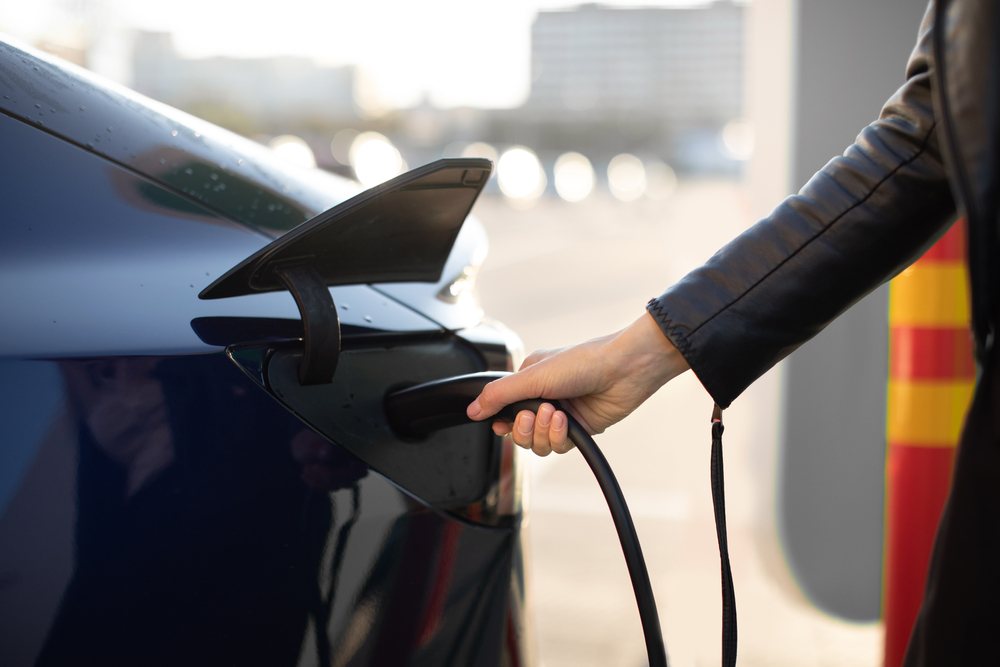
An EV adds a new major load to the switchboard, and it deserves to be measured like one. Looking only at the retailer bill can tell you that overall usage went up, but it cannot tell you how much came from the car, whether charging was aligned to cheap periods, or whether the charger is interacting badly with air conditioning, hot water or other high-demand appliances.
With circuit-level visibility, you can separate the EV from the rest of the house and answer practical questions quickly. How many kilowatt-hours per week is the vehicle using? What time does charging usually begin and end? Is the charger running when solar output is low? Does charging overlap with cooking, heating or pool equipment and push evening demand higher? Those are the details that let you change behaviour or automate a better schedule.
This matters even more in homes that have already electrified other big loads. Once hot water, air conditioning, induction cooking and an EV are all on the same site, timing becomes as important as efficiency. The cheapest household is often not the one with the fewest appliances, but the one that staggers them well and uses the switchboard data to keep expensive overlap under control.
Avoid Bill Surprises
The common mistake is treating EV charging as a fixed win because the car is cheaper to run than petrol. That may be true on a per-kilometre basis, but the home energy impact still depends on charging habits. A vehicle charged at the wrong time can add a large recurring load in the exact periods when network and energy charges are highest, particularly on time-of-use tariffs.
When the bill still does not make sense, start with measured data
A cheaper plan can reduce your rate, but it will not explain what is creating the usage. PowerAudit gives you circuit-level visibility, a clear report, and prioritised next steps for your actual home.